
Quantitative Veterinary Diagnostics, Delivered in Minutes
Migibio's fluorescence immunochromatographic technology (FICT) delivers rapid, quantitative, and highly sensitive results for animal disease detection and health assessment — from companion animals to farm livestock.
Application Cases
Trusted single-source solutions across diagnostics and safety.
Veterinary Diagnostics
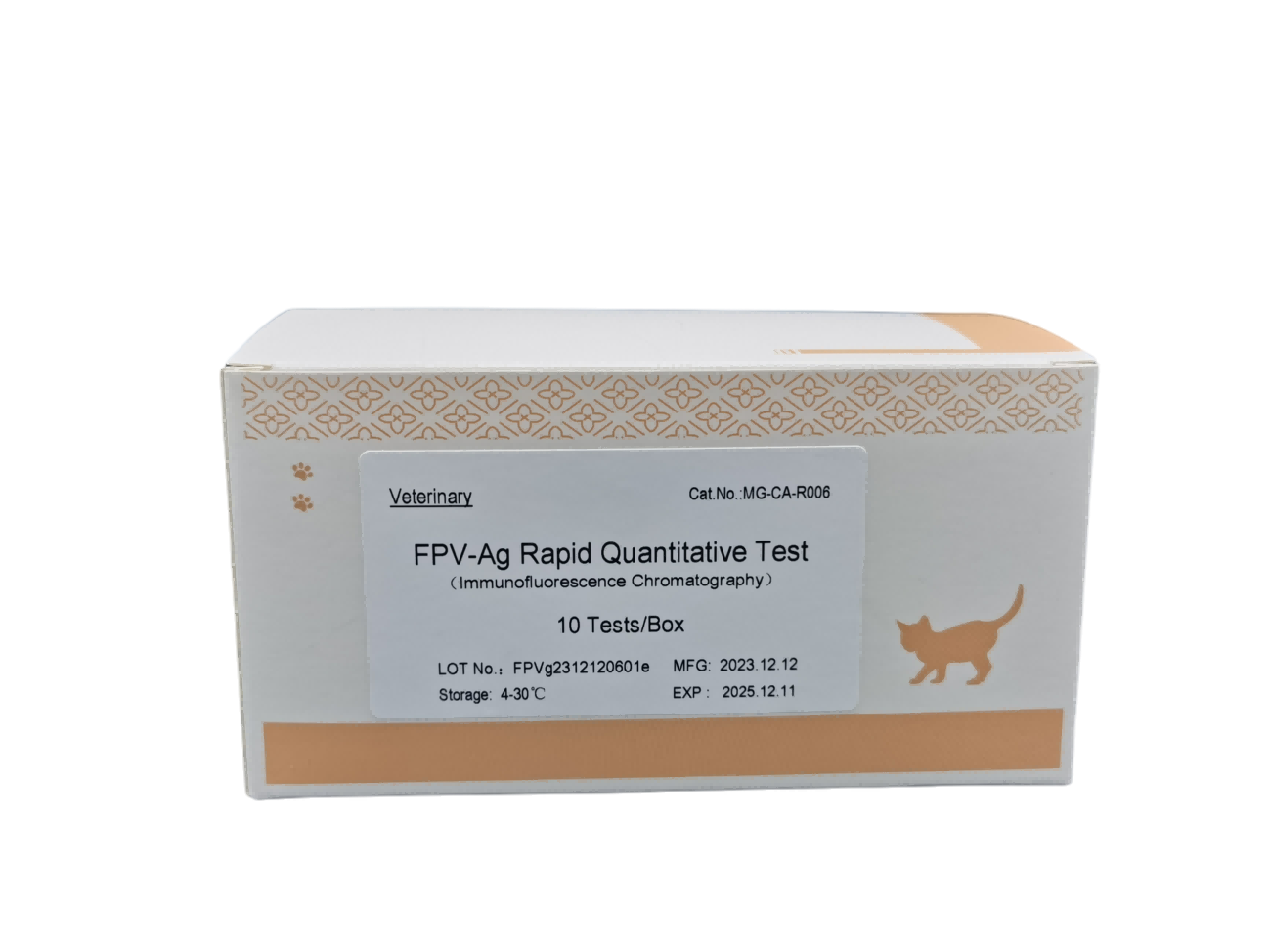
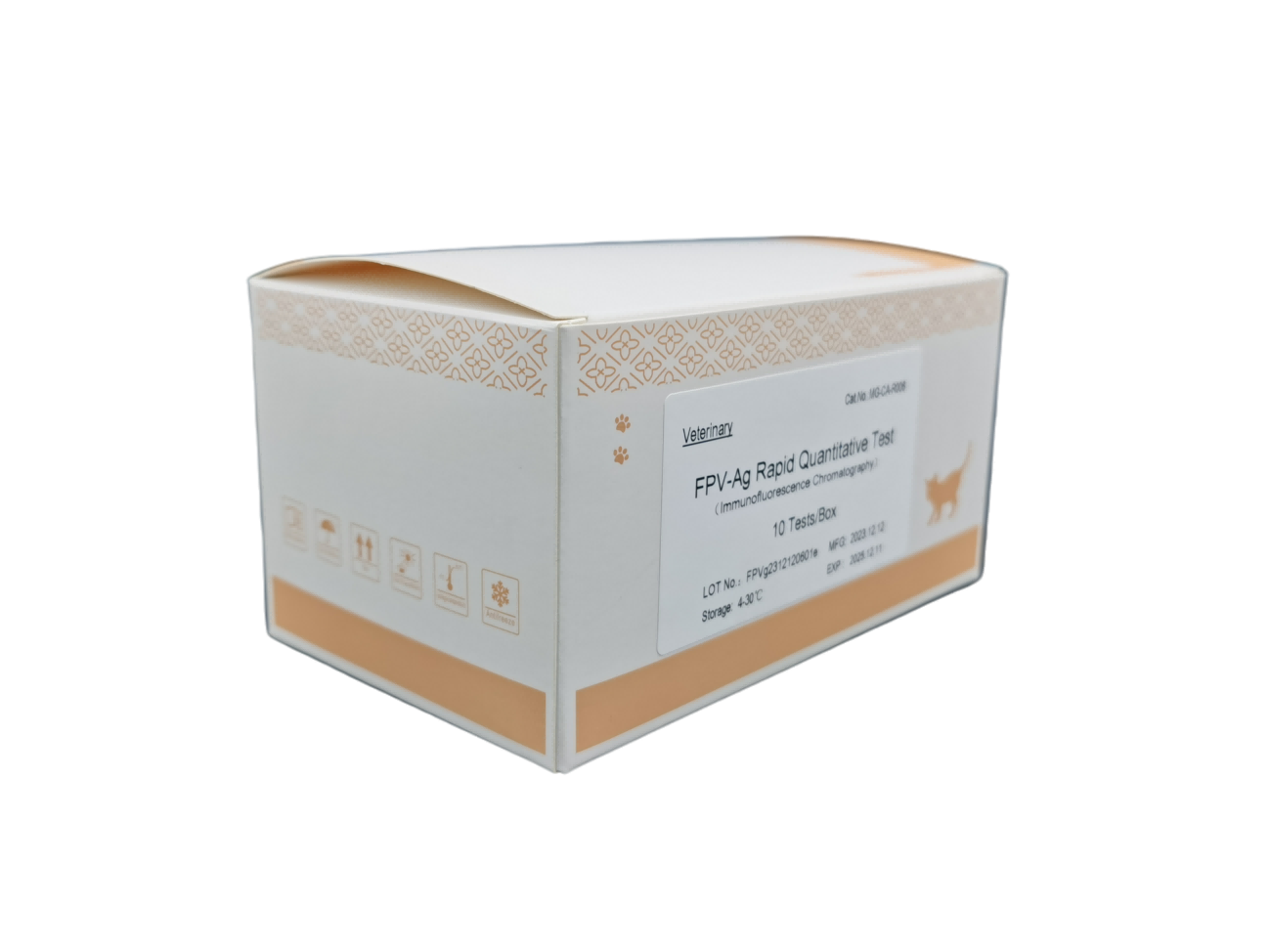
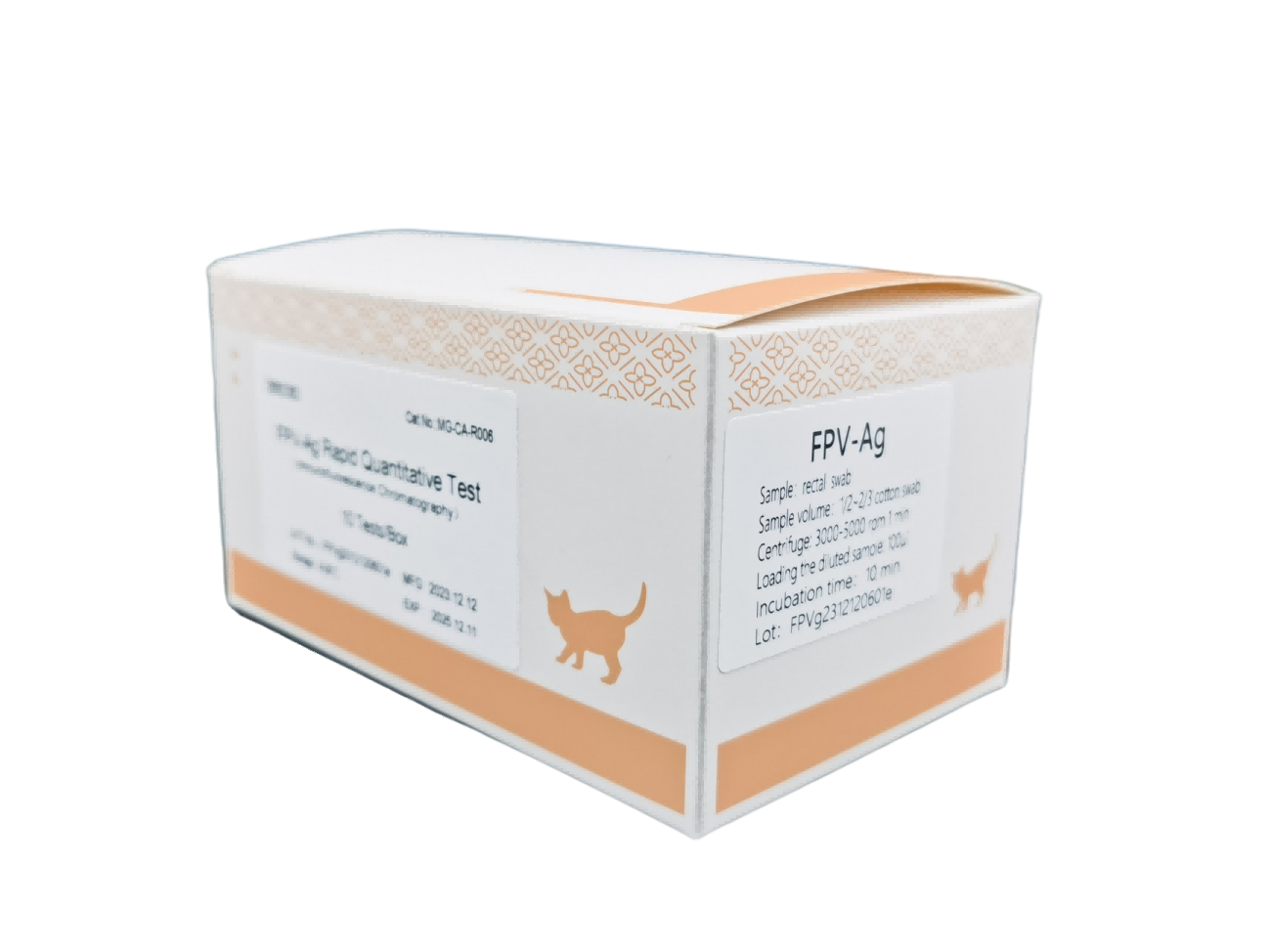
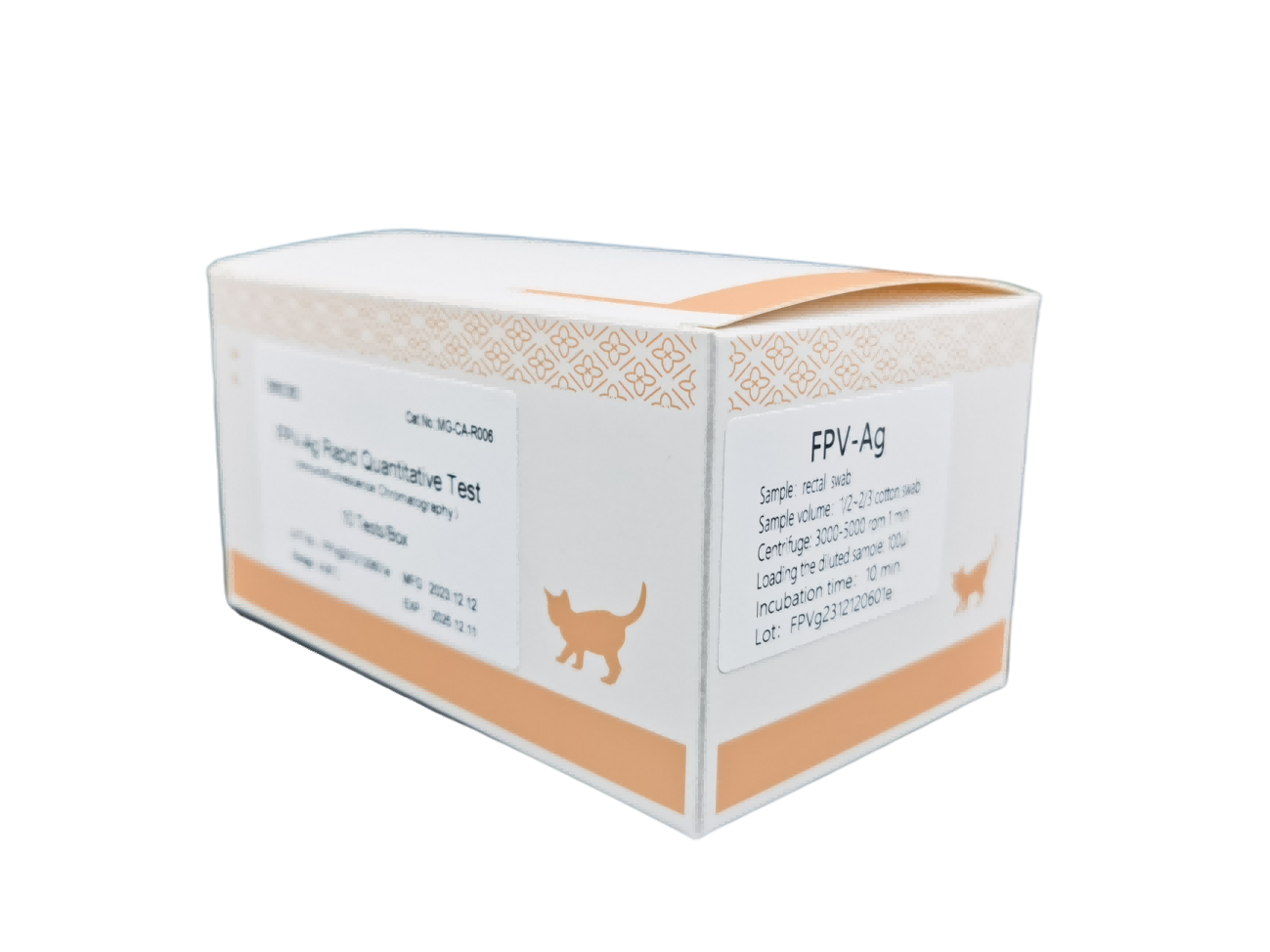
From state-of-the-art diagnostics to single-use rapid tests, Migibio offers a trusted single source for veterinary diagnostics — including farm animals (pigs, cattle, horses) and companion animals (dogs, cats).
Food Safety Detection
From veterinary drug residue to mycotoxin — from farm to dinner table — Migibio provides a total solution for food safety detection to protect security and health.
Environmental Protection
Innovative heavy metal ion detection technology improves sensitivity and specificity, enhancing detection efficiency against environmental pollution.
Why Choose Us
Quality, precision, and support — the Migibio standard.
High-Precision, Rapid Diagnostics
Immunochromatographic equipment and reagents deliver fast, accurate, quantitative results for timely detection and treatment.
Strict Quality Control
ISO9001 and GMP-certified production with internal quality controls and full lot traceability ensure the stability and reliability of every product.
Professional Support
Comprehensive technical support, IFU/SOP documentation, and tailored service for the best experience and outcomes.
Equipment
View reagents →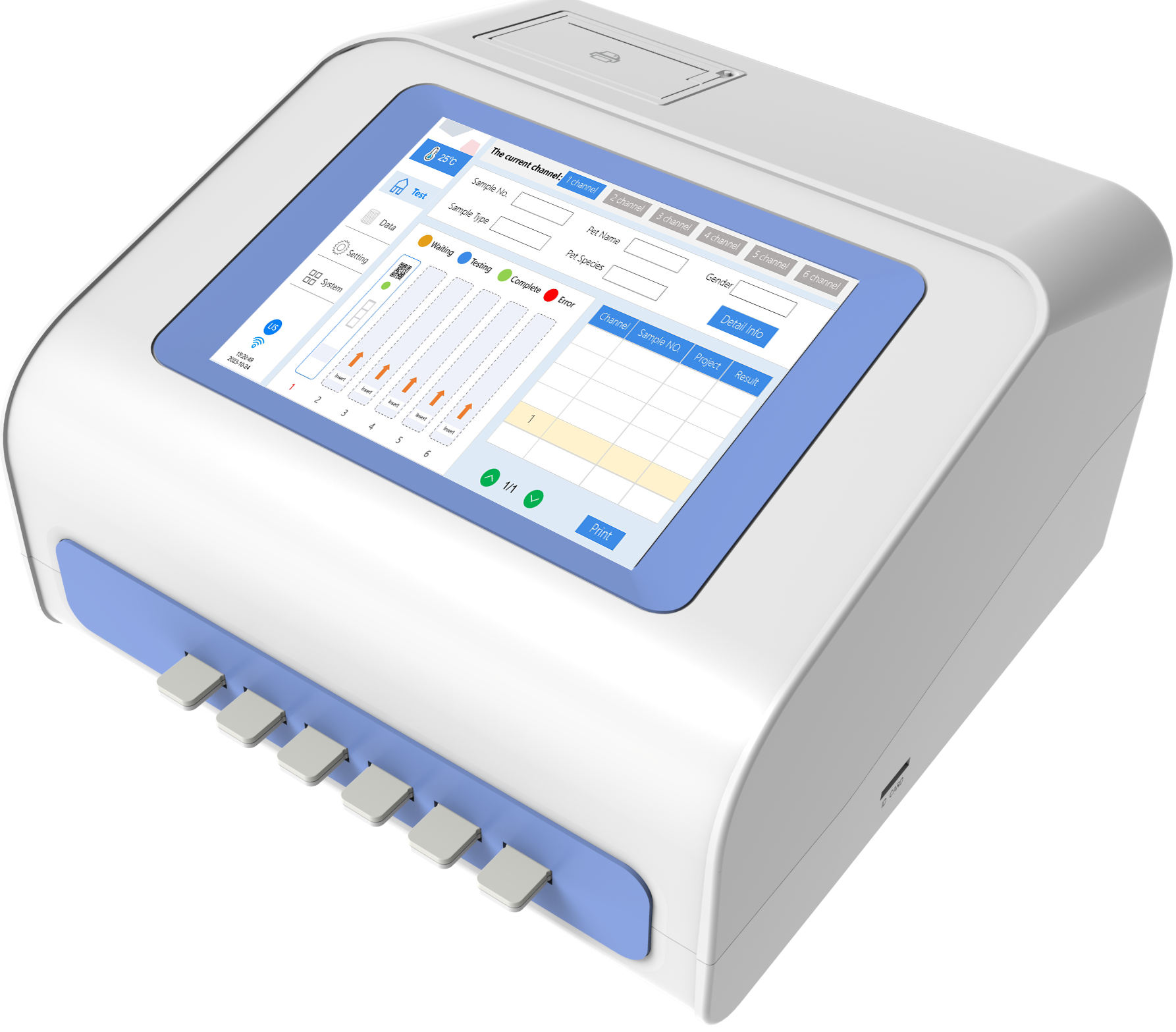
FIA880
Migibio FIA880 — six-channel veterinary immunofluorescence quantitative analyzer for high-throughput labs. Simultaneous multi-sample testing, up to 300 tests/hour, pg/ml sensitivity. ISO9001/GMP-certified manufacturer.
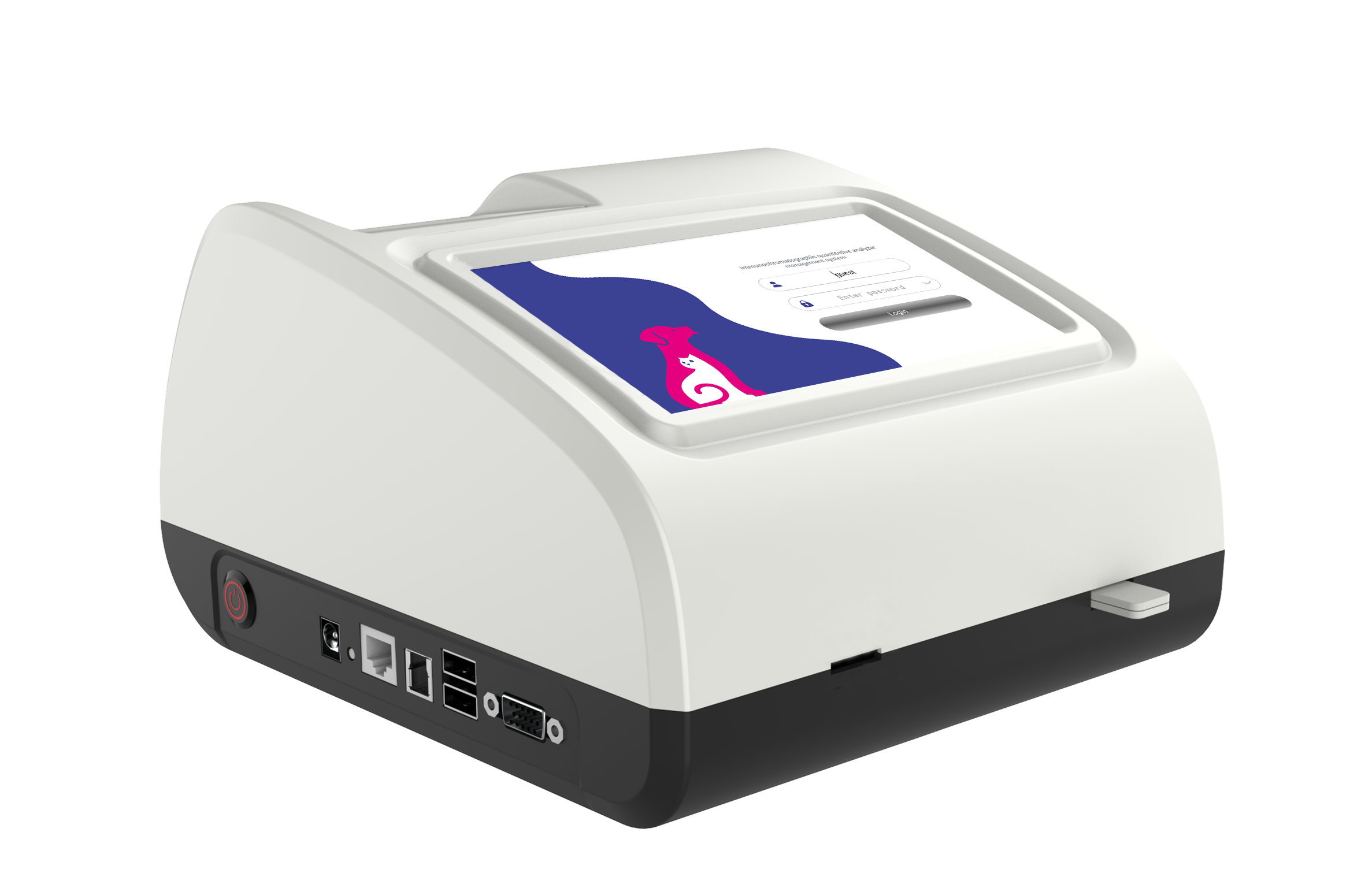
FIA680
Migibio FIA680 — single-channel veterinary immunofluorescence quantitative analyzer for POCT diagnostics. Results in 3–11 minutes, pg/ml sensitivity, CV <10%, up to 200 tests/hour. ISO9001/GMP-certified manufacturer.
Featured Reagents
View all →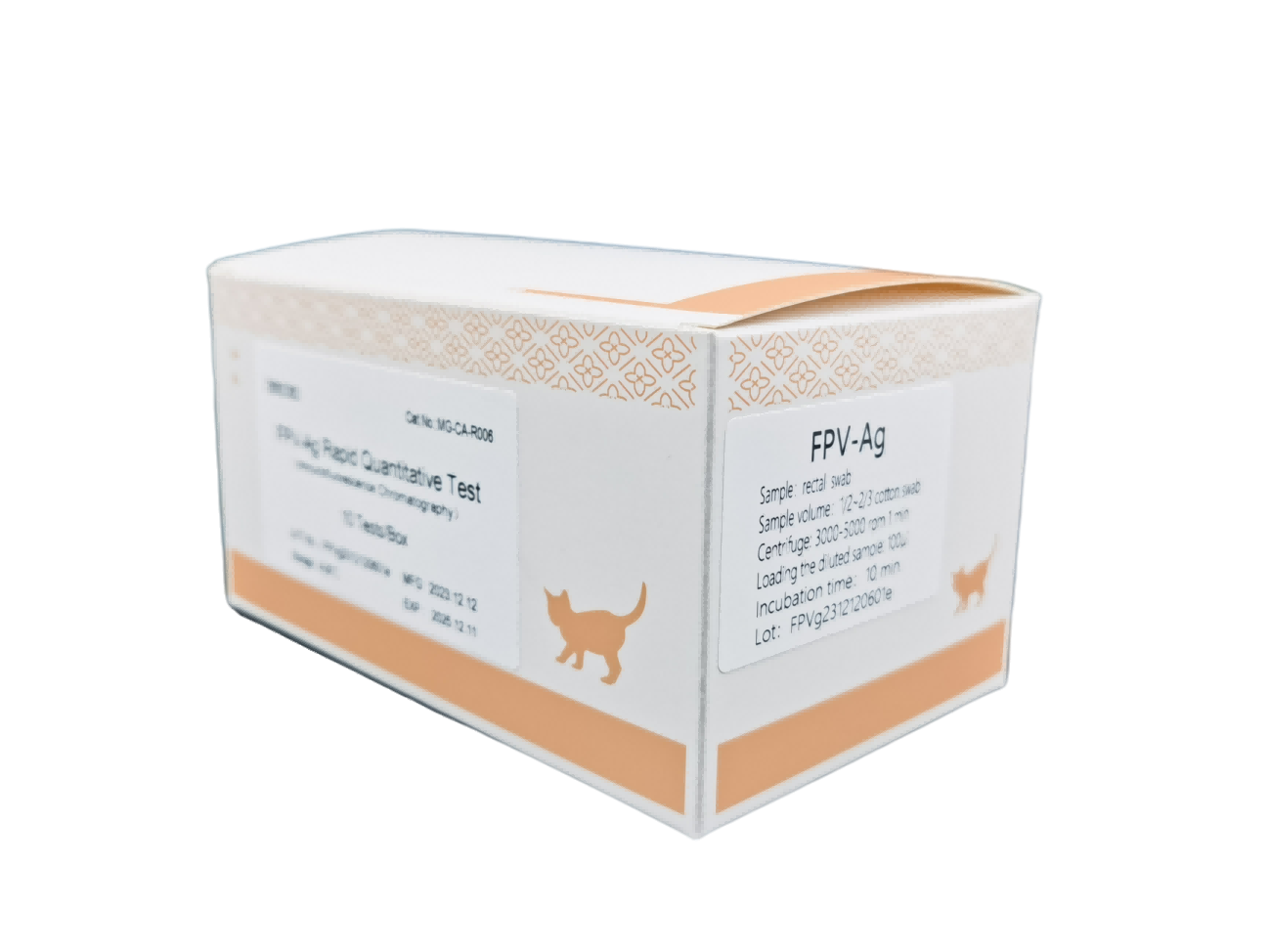
Migibio (Cat) Feline Calicivirus Antibody (FCV-Ab) Rapid Quantitative Test Kit
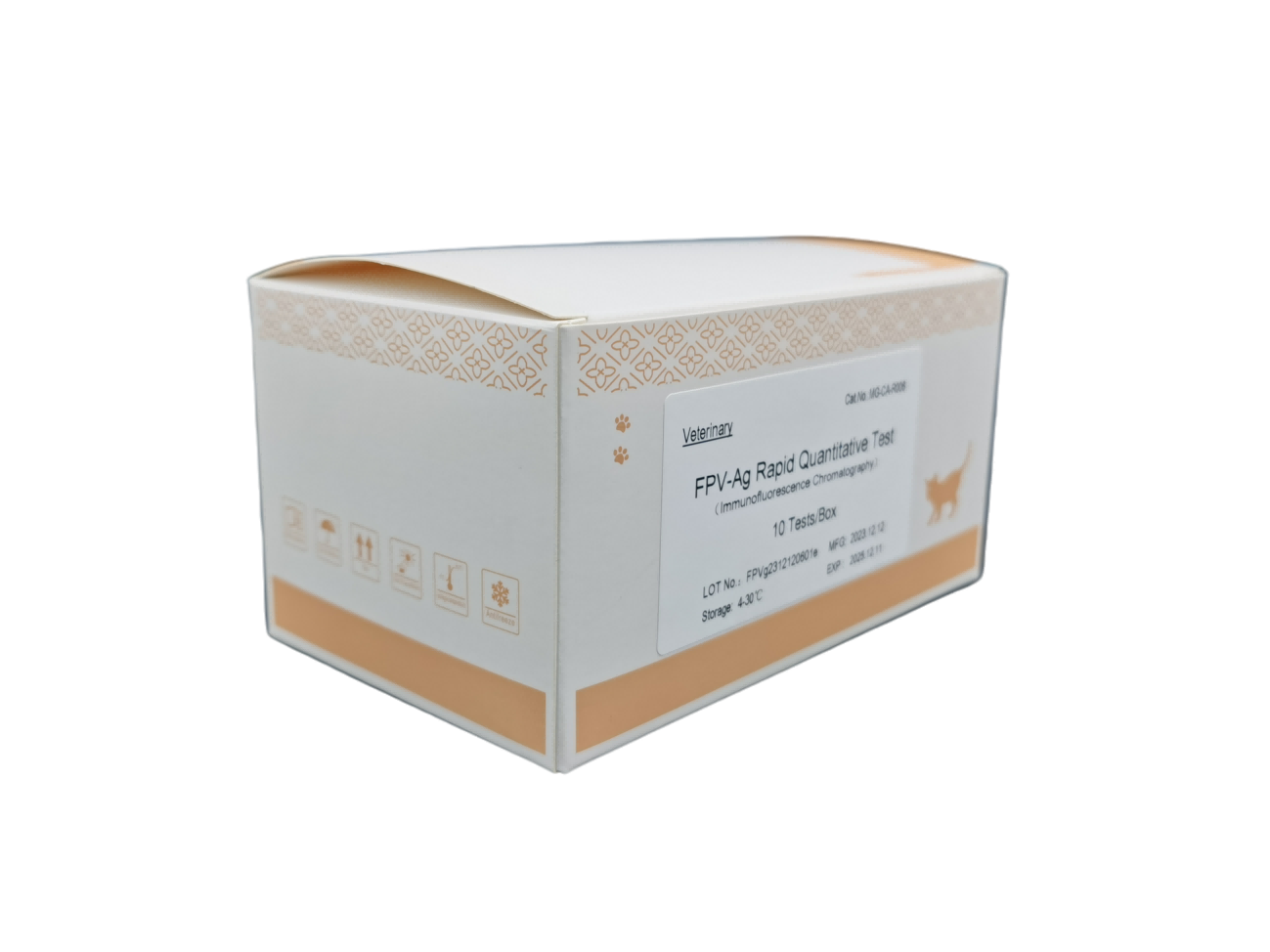
Migi (Cat) Feline FPV/FHV/FCV Ab Rapid Quantitative Test Kit
Migi (Cat) Feline Calicivirus Antigen (FCV-Ag) Rapid Quantitative Test Kit
Migi (Cat) Feline Coronavirus Antigen (FCoV-Ag) Rapid Quantitative Test Kit
Migi (Cat) Feline Cystatin C(fCys C) Rapid Quantitative Test Kit
Migi (Cat) Feline Herpes Virus Antigen (FHV-Ag) Rapid Quantitative Test Kit
Latest Insights
View all posts →Feline Triple Test Explained: FPV, Herpes and Calicivirus — and What Antibody Results Can't Tell You
The feline triple test checks FPV, herpes and calicivirus in one run — but the three antibody results are not equal. FPV antibodies predict protection reliably; FCV antibodies don't (strain diversity). Here's what the panel is actually for.
Read article →At-Home Pet Tests: What Actually Works and What Still Needs a Vet
Home pet tests are real for some things — urine strips, glucose monitoring, temperature — and mostly marketing for others. Here's the honest split: what you can test at home, what needs a clinic analyzer, and why quantitative blood work can't be done on a strip.
Read article →Distemper Tests for Dogs: Antigen vs Antibody and What Each Result Means
Canine distemper mimics kennel cough early and neurological disease late — which is exactly why testing matters. Here's antigen vs antibody, the three-stage progression, and why early antigen testing is the difference.
Read article →Antigen vs Antibody Tests in Pets: Which One Answers Your Question
Antigen tests detect the pathogen itself (active infection); antibody tests detect the immune response (protection or exposure). Mixing them up is the most common diagnostic mistake. Here's the two-question framework.
Read article →Parvo Testing in Dogs: Speed, Sensitivity and Outbreak Control
Parvo kills 91% of untreated puppies but 90% survive with fast treatment — so the test that returns a number in minutes is the difference. Here's antigen vs antibody, the 5–15 day vaccine false-positive window, and why pairing CPV antigen with CRP changes prognosis.
Read article →Dog Breeding Tests: A Progesterone and Relaxin Protocol, Step by Step
The breeder's working protocol: test progesterone every 1–2 days to catch the LH surge and ovulation, breed at 8–15 ng/mL, then confirm with relaxin around day 28–30. Here's the exact sequence.
Read article →